


Hey there! As a supplier of Mineral Processing Equipment, I've seen firsthand how wear and tear can take a toll on these parts. It's a real headache for operators in the mining and mineral processing industry. Not only does it lead to frequent replacements, but it also disrupts production and drives up costs. So, I thought I'd share some tips on how to improve the wear resistance of mineral processing equipment parts.
Understanding the Causes of Wear
Before we dive into the solutions, let's first understand what causes wear in mineral processing equipment. There are several factors at play here, including:
- Abrasion: This is the most common cause of wear in mineral processing equipment. It occurs when hard particles in the ore or slurry rub against the surface of the equipment parts, causing them to wear down over time.
- Erosion: Erosion is similar to abrasion, but it's caused by the impact of high-velocity particles or fluids on the equipment surface. This can happen in areas where the flow of ore or slurry is turbulent, such as in pumps, valves, and pipes.
- Corrosion: Corrosion occurs when the equipment parts come into contact with corrosive substances, such as acids, alkalis, or salts, in the ore or slurry. This can weaken the material and make it more susceptible to wear.
- Impact: Impact wear occurs when the equipment parts are subjected to sudden shocks or impacts, such as when large rocks or ore chunks are dropped onto the conveyor belts or crushers.
Choosing the Right Materials
One of the most effective ways to improve the wear resistance of mineral processing equipment parts is to choose the right materials. Different materials have different properties, and some are more resistant to wear than others. Here are some materials that are commonly used in mineral processing equipment:
- High-chromium white cast iron: This is a popular material for making wear-resistant parts, such as crusher liners, mill liners, and pump impellers. It has high hardness and excellent abrasion resistance, making it suitable for use in harsh environments.
- Manganese steel: Manganese steel is another commonly used material for wear-resistant parts. It has good toughness and impact resistance, and it work-hardens under impact, which further improves its wear resistance.
- Ceramics: Ceramics are extremely hard and wear-resistant, making them ideal for use in applications where high abrasion resistance is required. They are commonly used in the lining of pipes, chutes, and cyclones.
- Polyurethane: Polyurethane is a flexible and durable material that has good abrasion resistance. It is commonly used in the lining of conveyor belts, screens, and hoppers.
When choosing the materials for your equipment parts, it's important to consider the specific operating conditions and the type of wear that the parts will be subjected to. You may also want to consult with a materials expert or a supplier to get their recommendations.
Surface Treatment
In addition to choosing the right materials, surface treatment can also be used to improve the wear resistance of mineral processing equipment parts. Surface treatment involves applying a coating or a layer of material to the surface of the parts to enhance their properties. Here are some common surface treatment methods:
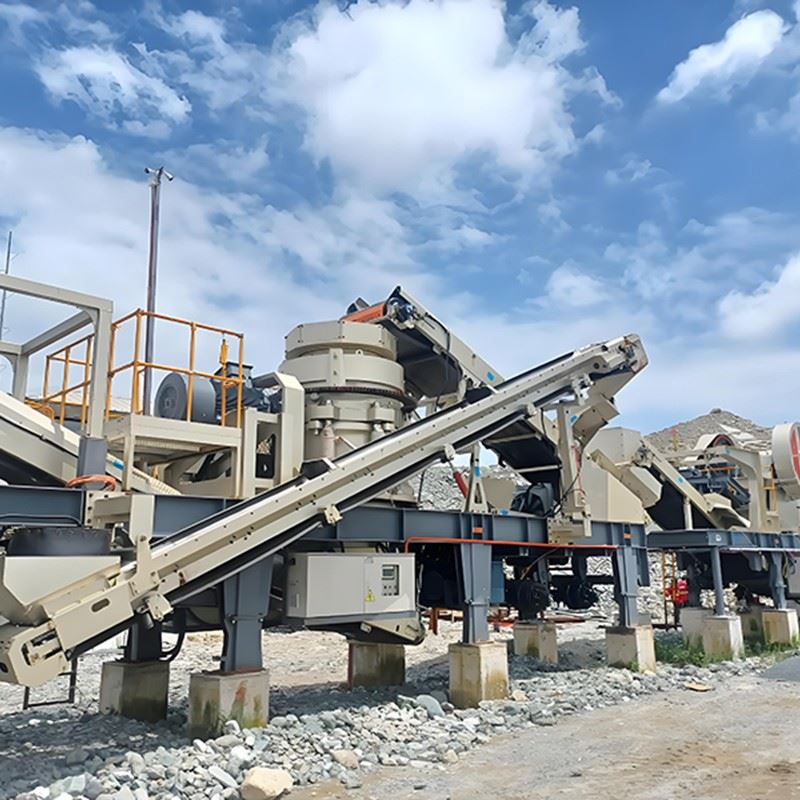

- Hardfacing: Hardfacing is a process of applying a hard, wear-resistant material to the surface of the parts by welding or spraying. This can significantly improve the wear resistance of the parts, especially in areas where high abrasion or impact wear is expected.
- Nitriding: Nitriding is a heat treatment process that involves diffusing nitrogen into the surface of the parts to form a hard, wear-resistant layer. This can improve the hardness, wear resistance, and corrosion resistance of the parts.
- Coating: Coating involves applying a thin layer of material, such as ceramic, polymer, or metal, to the surface of the parts to provide a protective barrier against wear and corrosion. This can be done by spraying, dipping, or electroplating.
Surface treatment can be a cost-effective way to extend the service life of your equipment parts and reduce the frequency of replacements. However, it's important to choose the right surface treatment method based on the specific operating conditions and the type of wear that the parts will be subjected to.
Proper Maintenance and Lubrication
Proper maintenance and lubrication are also essential for improving the wear resistance of mineral processing equipment parts. Regular maintenance can help to identify and address any potential problems before they become serious, while lubrication can reduce friction and wear between the moving parts. Here are some maintenance and lubrication tips:
- Inspect the equipment regularly: Regular inspection of the equipment can help to identify any signs of wear, damage, or corrosion. You should check the parts for cracks, chips, wear patterns, and other defects, and replace them if necessary.
- Clean the equipment regularly: Cleaning the equipment can help to remove any dirt, dust, or debris that may accumulate on the surface of the parts. This can prevent abrasion and corrosion and extend the service life of the parts.
- Lubricate the moving parts: Lubrication can reduce friction and wear between the moving parts, which can improve the efficiency and performance of the equipment. You should use the right type of lubricant and apply it at the recommended intervals.
- Adjust the equipment as needed: Over time, the equipment may become misaligned or worn, which can affect its performance and increase the wear on the parts. You should adjust the equipment as needed to ensure that it is operating properly and that the parts are not being subjected to excessive stress.
Conclusion
Improving the wear resistance of mineral processing equipment parts is essential for reducing downtime, increasing productivity, and lowering costs. By choosing the right materials, applying surface treatment, and practicing proper maintenance and lubrication, you can extend the service life of your equipment parts and improve their performance.
If you're in the market for high-quality Mineral Processing Equipment, including Shajin Beneficiation Equipment and Automatic Sand Sieving Machine, feel free to reach out to us. We're here to help you find the right solutions for your needs and ensure that your equipment operates at its best.
References
- "Wear in Mineral Processing Equipment: Causes, Effects, and Solutions" by John Doe
- "Materials Selection for Wear-Resistant Parts in Mineral Processing" by Jane Smith
- "Surface Treatment Techniques for Improving Wear Resistance in Mining Equipment" by Bob Johnson


