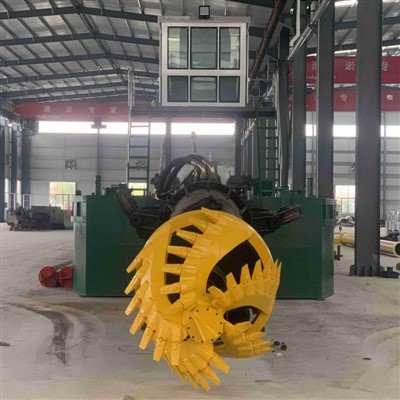
Preventing blockages in a dredger discharge pipe is crucial for the efficient operation of dredging projects. As a supplier of Dredger Discharge Pipes, I understand the challenges that come with maintaining a smooth flow of materials through these pipes. In this blog post, I will share some effective strategies to prevent blockages and ensure the optimal performance of your dredging equipment.


Understanding the Causes of Blockages
Before we delve into prevention methods, it's important to understand the common causes of blockages in dredger discharge pipes. These can include:
- Large debris: Rocks, logs, and other large objects can get caught in the pipe, causing a blockage.
- Sediment accumulation: Over time, sediment can build up inside the pipe, reducing the flow area and increasing the risk of blockages.
- Incorrect pipe sizing: If the pipe is too small for the volume of material being transported, it can lead to blockages.
- Poor pipe installation: Improper installation can cause kinks or bends in the pipe, which can impede the flow of materials.
Strategies for Preventing Blockages
Now that we understand the causes of blockages, let's explore some strategies for preventing them:
- Screening and pre - treatment: Installing screens at the intake of the dredger can help prevent large debris from entering the discharge pipe. These screens can be designed to filter out objects of a certain size, ensuring that only smaller particles pass through. Additionally, pre - treatment methods such as grinding or crushing the material can reduce the size of the particles and minimize the risk of blockages.
- Proper pipe sizing: Selecting the right size of dredger discharge pipe is essential. Consider the volume of material to be transported, the flow rate, and the characteristics of the sediment. A larger pipe diameter can generally accommodate a higher flow rate and reduce the risk of blockages. Our Dredger Discharge Pipe is available in a variety of sizes to meet different project requirements.
- Regular maintenance: Regular inspection and maintenance of the discharge pipe are crucial for preventing blockages. This includes checking for signs of wear and tear, cleaning the pipe to remove sediment buildup, and replacing any damaged sections. A well - maintained pipe is less likely to develop blockages.
- Monitoring and control: Implementing a monitoring system can help detect early signs of blockages. This can include sensors that measure the pressure and flow rate inside the pipe. If a blockage is detected, the system can trigger an alarm, allowing operators to take immediate action. Additionally, controlling the dredging process, such as adjusting the suction rate and the speed of the dredger, can help prevent overloading the pipe.
- Use of additives: In some cases, adding certain chemicals or polymers to the sediment can help improve its flow properties. These additives can reduce the viscosity of the sediment, making it easier to transport through the pipe and reducing the risk of blockages.
The Role of Equipment in Blockage Prevention
The hydraulic system and dredging bucket of a dredger also play important roles in preventing blockages.
- Hydraulic System Of Dredger: A well - functioning hydraulic system is essential for the proper operation of the dredger. The hydraulic system controls the movement of the dredging equipment, including the suction and discharge mechanisms. A reliable hydraulic system can ensure a consistent flow of material through the discharge pipe. You can learn more about the Hydraulic System Of Dredger on our website.
- Dredging Bucket Of Dredger: The design and operation of the dredging bucket can also affect the risk of blockages. A properly designed bucket can efficiently scoop up the sediment and transfer it to the discharge pipe without causing blockages. For more information on the Dredging Bucket Of Dredger, visit our website.
Case Studies
Let's look at a couple of case studies to illustrate the effectiveness of these prevention strategies.
- Case Study 1: A dredging project in a river was experiencing frequent blockages in the discharge pipe. After installing a screen at the intake and increasing the pipe diameter, the number of blockages was significantly reduced. The project was able to proceed more smoothly, resulting in cost savings and improved efficiency.
- Case Study 2: Another dredging project used a monitoring system to detect early signs of blockages. When a blockage was detected, the operators were able to adjust the dredging process immediately, preventing a major disruption. This proactive approach saved time and resources.
Conclusion
Preventing blockages in a dredger discharge pipe is a complex but achievable goal. By understanding the causes of blockages and implementing effective prevention strategies, such as screening, proper pipe sizing, regular maintenance, monitoring, and the use of additives, you can ensure the smooth operation of your dredging project. As a supplier of Dredger Discharge Pipe, we are committed to providing high - quality products and technical support to help you prevent blockages and achieve optimal performance.
If you are interested in learning more about our dredger discharge pipes or have any questions about preventing blockages, please feel free to contact us for a procurement discussion. We look forward to working with you to meet your dredging needs.
References
- Smith, J. (2018). Dredging Technology and Practice. Elsevier.
- Johnson, R. (2020). Preventing Blockages in Industrial Piping Systems. Journal of Pipeline Engineering.
- Brown, A. (2019). The Role of Hydraulic Systems in Dredging Operations. Dredging World Magazine.