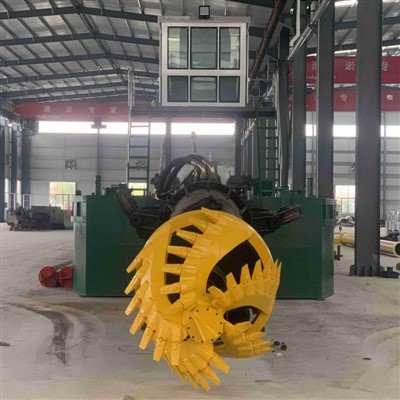
Selecting the appropriate lubricant for mineral processing equipment is a critical decision that can significantly impact the efficiency, longevity, and overall performance of the machinery. As a supplier of Mineral Processing Equipment, I understand the importance of this choice and am here to share some insights on how to make the right selection.
Understanding the Role of Lubricants in Mineral Processing Equipment
Lubricants play several vital roles in mineral processing equipment. First and foremost, they reduce friction between moving parts. In a mineral processing environment, equipment such as crushers, ball mills, and conveyors have numerous components that are in constant motion. Friction can cause wear and tear, leading to premature failure of parts and increased maintenance costs. A good lubricant forms a thin film between the surfaces, minimizing direct contact and thus reducing friction.
Secondly, lubricants help to dissipate heat. The intense mechanical operations in mineral processing generate a significant amount of heat. If this heat is not properly managed, it can cause thermal stress to the equipment, leading to deformation and reduced efficiency. Lubricants absorb and transfer heat away from the critical components, keeping the equipment at an optimal operating temperature.
Another important function of lubricants is to prevent corrosion. Mineral processing often involves exposure to harsh chemicals and abrasive materials. Lubricants create a protective barrier on the metal surfaces, shielding them from the corrosive effects of these substances.
Factors to Consider When Selecting a Lubricant
Operating Conditions
The operating conditions of the mineral processing equipment are a primary consideration when selecting a lubricant. For example, if the equipment operates in a high - temperature environment, such as near a furnace or in a hot climate, a lubricant with a high viscosity index and good thermal stability is required. High - temperature lubricants can maintain their lubricating properties even under extreme heat, preventing the breakdown of the lubricant film and ensuring continuous protection.
On the other hand, if the equipment is exposed to moisture or water, such as in a wet processing environment or during cleaning operations, a lubricant with excellent water - resistance is essential. Water - resistant lubricants can prevent rust and corrosion, and they also maintain their lubricating performance even when in contact with water.


Type of Equipment
Different types of mineral processing equipment have different lubrication requirements. For instance, crushers and grinding mills have high - load and high - impact operations. These machines require lubricants with high load - carrying capacity to withstand the heavy forces exerted during the crushing and grinding processes. Gearboxes, on the other hand, need lubricants that can provide smooth and efficient power transmission, with good anti - wear and anti - foaming properties.
Conveyor systems, which often operate continuously, need lubricants that can reduce friction and ensure smooth movement of the conveyor belts. Small Sand Washing Machines and Shajin Beneficiation Equipment also have specific lubrication needs based on their design and operation.
Compatibility with Materials
The lubricant must be compatible with the materials used in the equipment. Some lubricants may react with certain metals or elastomers, causing damage to the components. For example, some synthetic lubricants may not be compatible with certain types of seals, leading to seal failure and leakage. It is important to consult the equipment manufacturer's recommendations to ensure that the selected lubricant is compatible with all the materials in the equipment.
Environmental Considerations
In today's environmentally conscious world, it is also important to consider the environmental impact of the lubricant. Biodegradable lubricants are becoming increasingly popular as they can reduce the environmental footprint of the mineral processing operations. These lubricants break down naturally over time, minimizing the pollution risk in case of spills or leaks.
Types of Lubricants for Mineral Processing Equipment
Mineral Oils
Mineral oils are one of the most commonly used lubricants in mineral processing equipment. They are derived from crude oil and are relatively inexpensive. Mineral oils have good lubricating properties and can provide effective protection against wear and corrosion. However, they may have limited performance in high - temperature or high - load applications.
Synthetic Lubricants
Synthetic lubricants are man - made and offer several advantages over mineral oils. They have better thermal stability, higher viscosity index, and improved resistance to oxidation and corrosion. Synthetic lubricants can perform well in extreme operating conditions, such as high temperatures and heavy loads. Although they are more expensive than mineral oils, their longer service life and better performance can result in cost savings in the long run.
Greases
Greases are a semi - solid lubricant that is often used in applications where a more viscous lubricant is required. They are suitable for equipment with slow - moving parts or where the lubricant needs to stay in place for an extended period. Greases can provide excellent protection against wear, corrosion, and water ingress. However, they need to be properly applied and maintained to ensure optimal performance.
Testing and Monitoring Lubricants
Once a lubricant has been selected and applied to the equipment, it is important to test and monitor its performance regularly. Lubricant analysis can provide valuable information about the condition of the lubricant and the equipment. Tests such as viscosity measurement, particle analysis, and chemical analysis can help detect any signs of degradation, contamination, or wear.
By monitoring the lubricant, potential problems can be identified early, allowing for timely maintenance and replacement of the lubricant. This can prevent costly breakdowns and extend the service life of the equipment.
Conclusion
Selecting the appropriate lubricant for mineral processing equipment is a complex but crucial task. By considering the operating conditions, type of equipment, compatibility with materials, and environmental factors, you can make an informed decision. As a supplier of Mineral Processing Equipment, we are committed to helping our customers choose the right lubricants for their specific needs.
If you are in the market for mineral processing equipment or need advice on lubricant selection, we invite you to contact us for a detailed discussion. Our team of experts is ready to assist you in making the best choices for your operations.
References
- Smith, J. (2018). Lubrication in Industrial Equipment. Industrial Press.
- Brown, A. (2020). Mineral Processing Handbook. McGraw - Hill.
- Johnson, R. (2019). Lubricant Selection for Heavy - Duty Machinery. Elsevier.