


As a supplier of multi-functional ships, I've witnessed firsthand the remarkable evolution of these vessels. Multi-functional ships are the unsung heroes of the waterways, capable of performing a diverse range of tasks, from environmental cleanup and maintenance to resource extraction and transportation. In this blog, I'll explore the various upgrades that can transform a standard multi-functional ship into a high-performance, versatile asset.
Technological Upgrades
Advanced Navigation and Control Systems
One of the most significant upgrades for a multi-functional ship is the integration of advanced navigation and control systems. These systems use cutting-edge technology such as GPS, radar, and sonar to provide real-time information about the ship's position, speed, and surrounding environment. With these systems, operators can navigate more accurately, avoid obstacles, and optimize their routes, reducing fuel consumption and improving overall efficiency.
For instance, the latest navigation systems can be integrated with automated steering controls, allowing the ship to maintain a steady course even in challenging conditions. This not only reduces the workload on the crew but also enhances safety and precision. Additionally, some systems offer predictive analytics, which can anticipate changes in weather and sea conditions, enabling the ship to adjust its operations accordingly.
Remote Sensing and Monitoring Equipment
Another crucial upgrade is the installation of remote sensing and monitoring equipment. This includes cameras, sensors, and drones, which can provide valuable data about the ship's surroundings, cargo, and equipment. For example, cameras can be used to monitor the water quality, detect the presence of aquatic weeds or other debris, and assess the condition of the ship's hull.
Sensors can measure a wide range of parameters, such as temperature, pressure, and humidity, providing real-time information about the ship's systems and environment. This data can be used to identify potential issues before they become major problems, allowing for proactive maintenance and reducing downtime. Drones, on the other hand, can be deployed to survey large areas quickly and efficiently, providing high-resolution images and videos that can be used for mapping, inspection, and surveillance.
Communication and Connectivity Upgrades
In today's digital age, reliable communication and connectivity are essential for the efficient operation of a multi-functional ship. Upgrading the ship's communication systems can improve crew safety, enhance operational efficiency, and enable seamless integration with onshore facilities. This includes installing high-speed satellite internet, advanced radio communication systems, and video conferencing capabilities.
With high-speed internet access, the crew can stay connected with the office, access real-time weather and navigation information, and communicate with other vessels in the area. Advanced radio communication systems ensure clear and reliable communication, even in remote areas or adverse weather conditions. Video conferencing capabilities allow for remote meetings and consultations, reducing the need for travel and improving decision-making.
Environmental Upgrades
Energy Efficiency Improvements
As the world becomes more environmentally conscious, energy efficiency is a top priority for multi-functional ship operators. Upgrading the ship's engines, propulsion systems, and electrical systems can significantly reduce fuel consumption and emissions. For example, installing hybrid or electric engines can reduce the ship's dependence on fossil fuels, while improving its performance and reliability.
Advanced propulsion systems, such as water jets or azimuth thrusters, can provide greater maneuverability and efficiency, especially in shallow waters or tight spaces. Additionally, upgrading the ship's electrical systems to use LED lighting, energy-efficient appliances, and smart power management systems can further reduce energy consumption.
Waste Management and Recycling Systems
Another important environmental upgrade is the installation of waste management and recycling systems. These systems can help reduce the ship's environmental impact by minimizing the amount of waste generated and ensuring that it is properly disposed of or recycled. This includes installing sewage treatment plants, garbage compactors, and recycling facilities.
Sewage treatment plants can treat the ship's wastewater before it is discharged into the waterway, reducing the pollution of the surrounding environment. Garbage compactors can reduce the volume of solid waste, making it easier to store and dispose of. Recycling facilities can separate and process different types of waste, such as paper, plastic, and metal, into reusable materials.
Water Treatment and Conservation Systems
Water is a precious resource, and multi-functional ships can play an important role in conserving it. Upgrading the ship's water treatment and conservation systems can reduce the amount of freshwater used on board and improve the quality of the water that is discharged into the waterway. This includes installing desalination plants, water recycling systems, and low-flow fixtures.
Desalination plants can convert seawater into freshwater, providing a reliable source of water for the ship's operations. Water recycling systems can treat and reuse the ship's wastewater, reducing the demand for freshwater. Low-flow fixtures, such as toilets and faucets, can reduce the amount of water used on board without sacrificing performance.
Operational Upgrades
Modular and Customizable Design
One of the key advantages of a multi-functional ship is its ability to adapt to different tasks and operational requirements. Upgrading the ship's design to be modular and customizable can enhance its versatility and flexibility. This includes designing the ship with interchangeable modules that can be easily installed or removed to accommodate different equipment and missions.

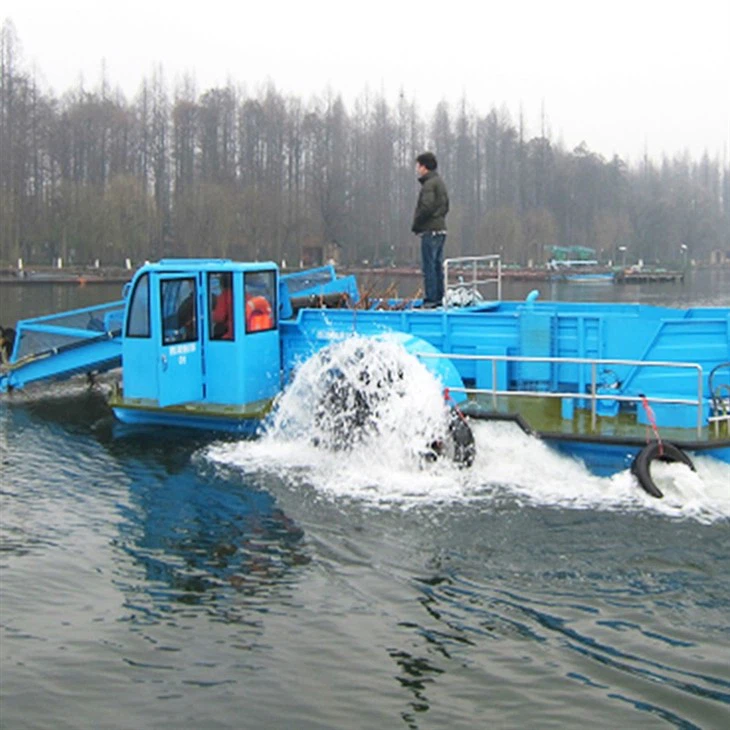
For example, a multi-functional ship can be designed with a modular deck that can be configured to carry different types of cargo, such as containers, bulk materials, or vehicles. The ship can also be equipped with modular workstations that can be customized to perform different tasks, such as dredging, mowing, or surveying.
Enhanced Cargo Handling and Storage Capabilities
Upgrading the ship's cargo handling and storage capabilities can improve its efficiency and productivity. This includes installing advanced cranes, conveyors, and storage systems that can handle different types of cargo quickly and safely. For example, a multi-functional ship can be equipped with a telescopic crane that can reach over a long distance and lift heavy loads.
The ship can also be designed with a large storage capacity, allowing it to carry more cargo and reduce the number of trips required. Additionally, the storage systems can be designed to be modular and customizable, allowing for easy access and organization of the cargo.
Improved Crew Comfort and Safety
The well-being of the crew is essential for the efficient operation of a multi-functional ship. Upgrading the ship's living quarters, safety equipment, and training programs can improve crew comfort and safety. This includes providing comfortable accommodation, nutritious food, and recreational facilities for the crew.
The ship can also be equipped with the latest safety equipment, such as life jackets, fire extinguishers, and emergency evacuation systems. Additionally, the crew can receive regular training on safety procedures, emergency response, and first aid.
Specific Upgrades for Different Types of Multi-Functional Ships
Aquatic Weed Harvester
An Aquatic Weed Harvester is a type of multi-functional ship that is used to remove aquatic weeds and other debris from waterways. Upgrades for an aquatic weed harvester can include more powerful cutting blades, larger storage capacity, and advanced weed collection systems.
For example, the cutting blades can be made of high-strength materials that can cut through thick and tough weeds. The storage capacity can be increased by adding additional compartments or by using a more efficient storage system. The weed collection systems can be upgraded to include a conveyor belt or a suction pump, which can collect the weeds more quickly and efficiently.
Multi Functional Lawn Mower Boat
A Multi Functional Lawn Mower Boat is designed to mow the grass along the banks of waterways and in shallow areas. Upgrades for a multi-functional lawn mower boat can include more precise cutting mechanisms, better maneuverability, and improved grass collection systems.
The cutting mechanisms can be upgraded to include adjustable blades that can be set to different heights, allowing for more precise mowing. The maneuverability can be improved by adding a more powerful engine or by using a more advanced steering system. The grass collection systems can be upgraded to include a larger hopper or a more efficient conveyor belt, which can collect the grass more quickly and easily.
Multifunctional Mowing Boat
A Multifunctional Mowing Boat is similar to a multi-functional lawn mower boat, but it can also perform other tasks, such as dredging, surveying, and water quality monitoring. Upgrades for a multifunctional mowing boat can include additional equipment and sensors, as well as improved integration of the different systems.
For example, the boat can be equipped with a dredging pump, a sonar system, or a water quality sensor. The different systems can be integrated using a single control panel, allowing for easy operation and monitoring. Additionally, the boat can be designed with a more modular and customizable structure, allowing for easy installation and removal of the different equipment.
Conclusion
In conclusion, there are many different upgrades that can be made to a multi-functional ship to enhance its performance, versatility, and environmental sustainability. From technological upgrades and environmental improvements to operational enhancements and specific upgrades for different types of ships, these upgrades can help operators get the most out of their vessels.
If you are interested in learning more about the upgrades available for multi-functional ships or are considering purchasing a new or upgraded vessel, please feel free to contact us for a consultation. Our team of experts can provide you with detailed information and guidance to help you make the right decision for your needs.
References
- "Marine Technology and Engineering Handbook"
- "Environmental Regulations for Maritime Operations"
- "Advanced Navigation and Control Systems in Shipping"


