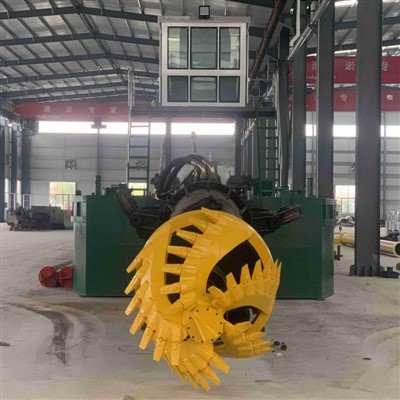
The invention of the cutter dredger is a significant milestone in the field of dredging and maritime engineering. As a cutter dredger supplier, I am often asked about the origin of this remarkable piece of equipment. In this blog post, we will explore the history of the cutter dredger, its inventors, and its evolution over time.
Early Origins
The concept of dredging dates back thousands of years. Ancient civilizations, such as the Egyptians and the Romans, used simple tools to clear waterways and harbors. However, the modern cutter dredger as we know it today has its roots in the 19th century.
The development of the steam engine in the early 19th century provided the necessary power to drive more efficient dredging equipment. In 1840, a French engineer named François-Édouard Le Play patented a design for a cutter suction dredger. His invention featured a rotating cutter head that could break up and suck in sediment from the seabed. This was a significant improvement over previous dredging methods, which relied on manual labor or simple mechanical devices.
Further Developments
In the following decades, the cutter dredger continued to evolve. Engineers and inventors around the world made improvements to the design, increasing its efficiency and power. One of the key developments was the introduction of the diesel engine in the early 20th century. Diesel engines provided a more reliable and powerful source of energy, allowing cutter dredgers to operate in deeper waters and handle larger volumes of sediment.

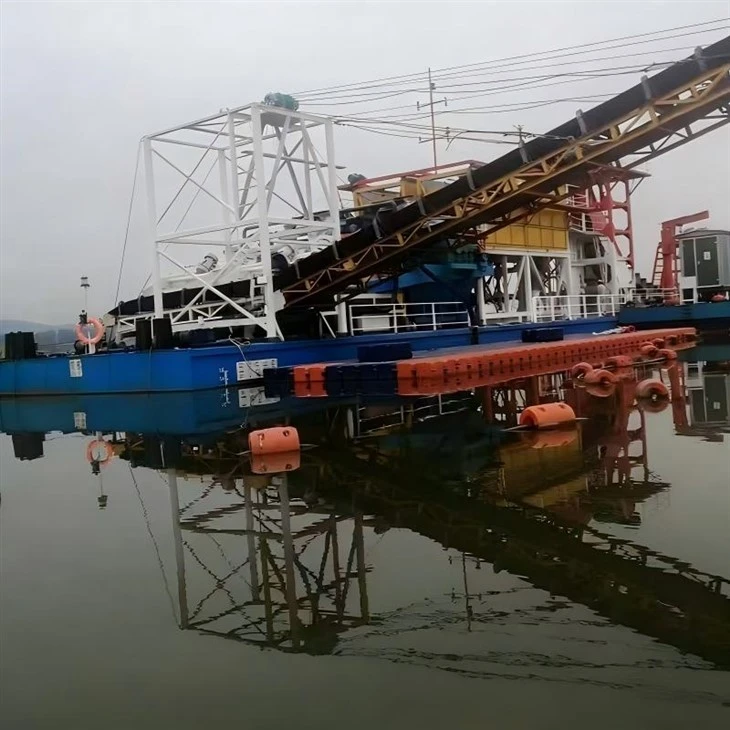
Another important innovation was the development of the hydraulic system. Hydraulic pumps and motors allowed for more precise control of the cutter head and the suction pipes, improving the dredging process. This technology also made it possible to operate the dredger remotely, increasing safety and efficiency.
Modern Cutter Dredgers
Today, cutter dredgers are highly sophisticated pieces of equipment. They are used in a wide range of applications, including port construction, coastal protection, and environmental remediation. Modern cutter dredgers are equipped with advanced sensors and control systems that allow for precise operation and monitoring.
One of the most popular types of cutter dredgers is the 12inch Cutter Suction Dredger. This type of dredger is suitable for a variety of dredging tasks, including sand and gravel extraction, channel deepening, and land reclamation. It is known for its high efficiency and reliability.
Another type of cutter dredger is the Bucket Chain Dredger. This type of dredger uses a series of buckets attached to a chain to scoop up sediment from the seabed. Bucket chain dredgers are often used in shallow waters and for more precise dredging tasks.
In addition to these types of dredgers, there are also Gold Dredger specifically designed for gold mining. These dredgers are equipped with specialized equipment to extract gold from the sediment.
The Role of Our Company
As a cutter dredger supplier, we are committed to providing high-quality dredging equipment to our customers. We offer a wide range of cutter dredgers, including the latest models with advanced features and technologies. Our team of experts is available to provide technical support and advice to ensure that our customers get the most out of their dredging equipment.
We understand the importance of reliability and efficiency in the dredging industry. That's why we work closely with our customers to understand their specific needs and requirements. We can customize our dredgers to meet the unique challenges of each project, ensuring that our customers get the best possible results.
Contact Us for Procurement
If you are in the market for a cutter dredger, we invite you to contact us for more information. Our team of sales representatives is ready to answer your questions and provide you with a detailed quote. We can also arrange a demonstration of our equipment so that you can see it in action.
Whether you are a small contractor or a large corporation, we have the right cutter dredger for your needs. We look forward to working with you to help you achieve your dredging goals.
References
- "Dredging Technology" by Peter van den Berg and Ben Gerritsen
- "The History of Dredging" by John Smith
- "Modern Dredging Equipment" by David Brown