


Hey there! I'm a supplier of marine dredgers, and today I'm gonna walk you through how these amazing machines work. It's pretty fascinating stuff, and I'm excited to share it with you.
First off, let's talk about what a marine dredger is. In simple terms, it's a vessel or a machine used to remove sediment, debris, and other materials from the bottom of water bodies like rivers, lakes, and oceans. There are different types of dredgers, each designed for specific tasks and conditions.

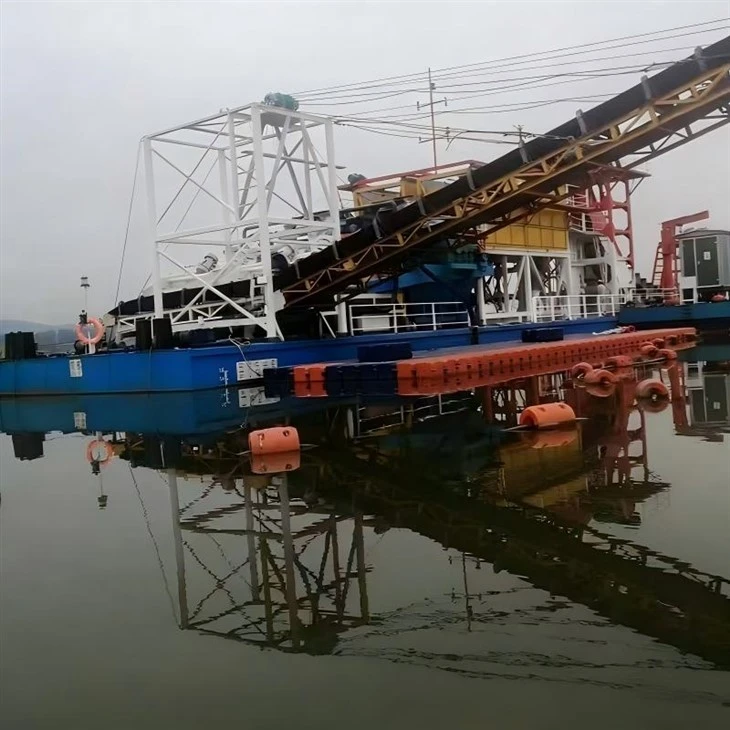
One of the most common types is the cutter suction dredger. This bad boy has a rotating cutter head at the end of a suction pipe. The cutter head is like a big, powerful blender that breaks up the sediment on the seabed. Once the sediment is loosened, a powerful pump sucks it up through the suction pipe and into the dredger. From there, the sediment can be transported to a disposal site, either by pipeline or by barge.
The 12inch Cutter Suction Dredger is a popular choice for many dredging projects. It's got a 12-inch diameter suction pipe, which means it can handle a decent amount of sediment. It's also relatively easy to operate and maintain, making it a great option for smaller-scale projects.
Another type of dredger is the bucket chain dredger. This one uses a series of buckets attached to a chain to scoop up sediment from the seabed. The buckets are lowered into the water and then dragged along the bottom, collecting sediment as they go. Once the buckets are full, they're lifted out of the water and emptied into a hopper on the dredger. The sediment is then transported to a disposal site.
The Bucket Chain Dredger is a bit more old-school, but it's still a very effective way to dredge. It's especially good for removing large, heavy objects like rocks and boulders.
There's also the electric dredger. As the name suggests, this type of dredger is powered by electricity. It's a more environmentally friendly option compared to diesel-powered dredgers, and it's also quieter and more efficient. The Electric Dredger is a great choice for projects in sensitive areas where noise and emissions are a concern.
Now, let's get into the nitty-gritty of how a marine dredger actually works. The process typically starts with a survey of the area to be dredged. This involves using sonar and other equipment to map the seabed and determine the depth and type of sediment. Once the survey is complete, the dredger is positioned over the area to be dredged.
The dredger then lowers its suction pipe or buckets into the water and starts the dredging process. The cutter head or buckets break up the sediment, and the pump or chain system moves it into the dredger. The sediment is then transported to a disposal site, where it can be used for various purposes like land reclamation or beach nourishment.
During the dredging process, it's important to monitor the water quality and the impact on the environment. Dredging can stir up sediment and release pollutants into the water, so it's crucial to take steps to minimize these effects. This might include using sediment curtains to contain the sediment, or treating the water before it's discharged back into the environment.
Another important aspect of dredging is maintenance. Dredgers are complex machines, and they require regular maintenance to keep them running smoothly. This includes things like checking the pumps, motors, and other components, as well as cleaning and lubricating the equipment.
As a marine dredger supplier, I understand the importance of providing high-quality equipment and excellent customer service. That's why we offer a wide range of dredgers to suit different needs and budgets. Whether you're looking for a small, portable dredger for a backyard pond or a large, industrial-scale dredger for a major port project, we've got you covered.
If you're interested in learning more about our marine dredgers or have any questions about how they work, don't hesitate to get in touch. We'd be happy to discuss your project and help you find the right dredger for the job. You can reach out to us to start a conversation about your dredging needs and explore the options available.
In conclusion, marine dredgers are amazing machines that play a crucial role in maintaining waterways, protecting the environment, and supporting economic development. Whether you're a contractor, a government agency, or a private individual, a marine dredger can help you get the job done. So, if you're in the market for a dredger, give us a call and let's talk about how we can help you.
References
- General knowledge and experience in the marine dredging industry.
- Technical specifications and manuals of various dredger models.


