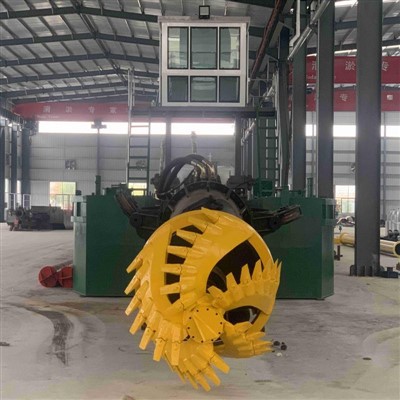
Marine dredgers play a crucial role in various marine and coastal engineering projects, such as port construction, channel deepening, and land reclamation. As a marine dredger supplier, I have witnessed firsthand the importance of understanding and adhering to the regulations regarding the use of these powerful machines. In this blog post, I will delve into the key regulations that govern the operation of marine dredgers, providing valuable insights for both industry professionals and those interested in the field.
Environmental Regulations
One of the primary concerns when using marine dredgers is the potential impact on the environment. Dredging activities can disrupt marine ecosystems, including the destruction of habitats, the release of sediment and pollutants, and the alteration of water quality. To mitigate these impacts, many countries have implemented strict environmental regulations.
Sediment Management
Sediment management is a critical aspect of dredging operations. Dredged sediment often contains various contaminants, such as heavy metals, pesticides, and organic matter. Before disposal, the sediment must be tested to determine its quality and potential environmental impact. In some cases, the sediment may need to be treated or disposed of in a designated area to prevent contamination of the surrounding environment.
Water Quality Protection
Dredging can also affect water quality by increasing turbidity, reducing oxygen levels, and releasing nutrients and pollutants. To protect water quality, dredging operations are typically required to implement measures such as sediment curtains, which help to contain sediment and prevent it from spreading into the surrounding water. Additionally, dredging activities may be restricted during certain times of the year to avoid disturbing sensitive marine species, such as spawning fish or migrating birds.
Habitat Protection
Marine dredging can have a significant impact on marine habitats, including coral reefs, seagrass beds, and wetlands. To protect these habitats, regulations often require dredging operators to conduct environmental impact assessments before starting a project. These assessments evaluate the potential impacts of the dredging activities on the surrounding environment and recommend measures to minimize or mitigate these impacts. In some cases, dredging may be prohibited in certain areas to protect sensitive habitats.
Safety Regulations
Safety is another important consideration when using marine dredgers. Dredging operations involve working in a hazardous environment, including the use of heavy machinery, working near water, and dealing with potentially dangerous materials. To ensure the safety of workers and the public, strict safety regulations are in place.
Operator Training and Certification
Dredging operators are required to have the necessary training and certification to operate marine dredgers safely. This includes training in areas such as equipment operation, safety procedures, and emergency response. Operators must also be familiar with the specific regulations and requirements of the jurisdiction in which they are working.
Equipment Maintenance and Inspection
Marine dredgers are complex machines that require regular maintenance and inspection to ensure their safe and efficient operation. Dredging operators are responsible for maintaining their equipment in good working condition and conducting regular inspections to identify and address any potential safety issues. This includes checking for leaks, ensuring proper functioning of safety devices, and maintaining the integrity of the dredging equipment.
Safety Equipment and Procedures
Dredging operations must be equipped with appropriate safety equipment, such as life jackets, fire extinguishers, and first aid kits. Additionally, operators must follow strict safety procedures, such as wearing personal protective equipment, using proper lifting techniques, and following established safety protocols. These procedures help to minimize the risk of accidents and injuries during dredging operations.
Permitting and Licensing
In addition to environmental and safety regulations, dredging operations are also subject to permitting and licensing requirements. These requirements vary depending on the jurisdiction and the nature of the dredging project.


Permit Application Process
Before starting a dredging project, operators must obtain the necessary permits from the relevant regulatory authorities. The permit application process typically involves submitting detailed information about the project, including the location, scope, and duration of the dredging activities, as well as the potential environmental and safety impacts. The regulatory authorities will review the application and may require additional information or mitigation measures before issuing the permit.
Licensing Requirements
In some cases, dredging operators may also be required to obtain a license to operate a marine dredger. The licensing requirements vary depending on the jurisdiction and the type of dredging equipment being used. Operators must meet certain qualifications, such as having the necessary training and experience, and must pass a written and practical exam to obtain a license.
Our Marine Dredger Offerings
As a marine dredger supplier, we offer a wide range of dredging equipment to meet the needs of various projects. Our dredgers are designed to be efficient, reliable, and environmentally friendly. Some of our popular products include:
- 14inch Cutter Suction Dredger: This dredger is suitable for small to medium-sized dredging projects and is equipped with a powerful cutter head for efficient sediment removal.
- 18inch Cutter Suction Dredger: This larger dredger is ideal for larger-scale dredging projects and offers increased dredging capacity and efficiency.
- Plain Suction Dredger: This type of dredger is used for simple sediment removal and is often used in shallow water areas.
Conclusion
In conclusion, the use of marine dredgers is subject to a variety of regulations designed to protect the environment, ensure the safety of workers and the public, and manage the dredging process effectively. As a marine dredger supplier, we are committed to helping our customers understand and comply with these regulations. If you are interested in learning more about our marine dredger offerings or have any questions about the regulations regarding the use of marine dredgers, please contact us to discuss your specific needs and requirements.
References
- International Maritime Organization (IMO). (2023). Guidelines for Dredging and Dredged Material Management.
- United States Army Corps of Engineers. (2023). Dredging Operations and Environmental Research (DOER) Program.
- European Union. (2023). Marine Strategy Framework Directive.