


As a supplier of Plain Suction Dredgers, I often encounter questions about how these machines deal with floating debris. In this blog post, I will explore the various methods and technologies that Plain Suction Dredgers use to handle floating debris effectively.
Understanding the Challenge of Floating Debris
Floating debris in water bodies can come from a variety of sources, including natural causes such as fallen trees and branches, as well as human activities like littering and industrial waste. This debris can pose significant problems for waterways, including obstructing navigation, damaging infrastructure, and harming the environment.
Plain Suction Dredgers are designed to remove sediment and other materials from the bottom of water bodies. However, they also need to be able to handle floating debris to ensure efficient and effective dredging operations.
Methods of Dealing with Floating Debris
1. Screening and Filtering
One of the most common methods used by Plain Suction Dredgers to deal with floating debris is screening and filtering. This involves using a series of screens or filters to separate the floating debris from the water and sediment being pumped.
The screens or filters are typically placed at the intake of the dredger's suction pipe. As the water and sediment are drawn into the pipe, the screens or filters trap the floating debris, preventing it from entering the dredger's pumping system.
The size and type of screen or filter used will depend on the size and nature of the floating debris. For example, a fine mesh screen may be used to remove small pieces of debris, while a larger mesh screen may be used to catch larger objects such as logs and branches.
2. Debris Collection Booms
Another method used to deal with floating debris is the use of debris collection booms. These are floating barriers that are placed across the waterway to collect and contain the floating debris.
The booms are typically made of a flexible material such as plastic or rubber and are anchored to the bottom of the waterway. As the floating debris is carried by the current, it is trapped by the boom and can be easily removed.
Debris collection booms are particularly effective in areas where there is a high concentration of floating debris, such as near industrial sites or in areas with a lot of boat traffic.
3. Manual Removal
In some cases, manual removal of floating debris may be necessary. This can be done using a variety of tools, such as nets, rakes, and hooks.
Manual removal is typically used for small-scale operations or in areas where the floating debris is difficult to access using other methods. It can also be used to supplement the other methods of debris removal.
4. Use of Specialized Equipment
Some Plain Suction Dredgers are equipped with specialized equipment to deal with floating debris. For example, some dredgers may have a debris cutter attached to the suction pipe. This cutter is designed to break up large pieces of debris into smaller pieces that can be more easily pumped through the dredger's system.
Other dredgers may have a debris conveyor system that can be used to remove the floating debris from the water and deposit it on the shore or in a storage area.
Advantages of Using Plain Suction Dredgers to Deal with Floating Debris
1. Efficiency
Plain Suction Dredgers are designed to be highly efficient at removing sediment and other materials from the bottom of water bodies. By using the methods described above, they can also be effective at dealing with floating debris.
This means that they can complete dredging operations more quickly and with less disruption to the waterway.

2. Versatility
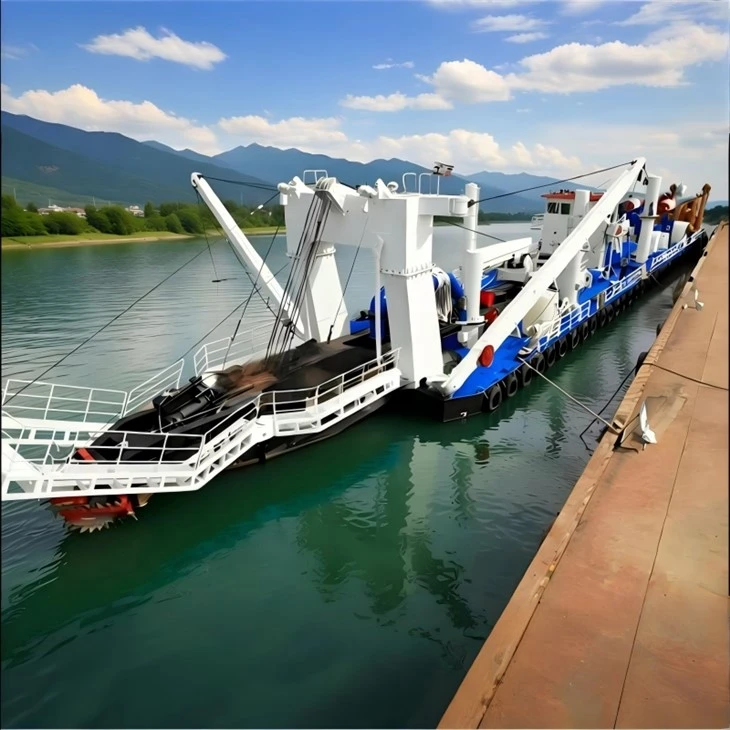
Plain Suction Dredgers can be used in a variety of water bodies, including rivers, lakes, and harbors. They can also be used in different types of environments, such as shallow water and deep water.
This versatility makes them a popular choice for dredging operations in a wide range of locations.
3. Environmental Benefits
By removing floating debris from water bodies, Plain Suction Dredgers can help to improve the environmental quality of the water. This can have a positive impact on the health of the ecosystem and the wildlife that depends on it.
In addition, by preventing the floating debris from obstructing navigation, Plain Suction Dredgers can help to reduce the risk of accidents and improve the safety of waterway users.
Our Plain Suction Dredgers
At our company, we offer a range of Plain Suction Dredgers that are designed to handle floating debris effectively. Our dredgers are equipped with the latest technology and features to ensure efficient and reliable operation.
We also offer a variety of options for dealing with floating debris, including screening and filtering systems, debris collection booms, and specialized equipment.
If you are interested in learning more about our Plain Suction Dredgers or how they can help you deal with floating debris, please contact us. We would be happy to discuss your specific needs and provide you with a customized solution.
Related Products
In addition to our Plain Suction Dredgers, we also offer a range of other dredging equipment, including 18inch Cutter Suction Dredger, Electric Dredger, and Hydraulic Cutter Suction Dredger. These products are designed to meet the needs of different dredging applications and can be customized to suit your specific requirements.
Conclusion
Dealing with floating debris is an important part of dredging operations. Plain Suction Dredgers are a versatile and efficient tool for removing sediment and other materials from the bottom of water bodies, and they can also be effective at dealing with floating debris.
By using the methods and technologies described in this blog post, Plain Suction Dredgers can help to improve the environmental quality of waterways, reduce the risk of accidents, and ensure the efficient and effective operation of dredging projects.
If you are interested in learning more about our Plain Suction Dredgers or other dredging equipment, please contact us. We would be happy to discuss your specific needs and provide you with a customized solution.
References
- Smith, J. (2020). Dredging Technology and Applications. Elsevier.
- Johnson, R. (2019). Floating Debris Management in Waterways. Journal of Environmental Management, 240, 109432.
- Brown, A. (2018). The Impact of Floating Debris on Waterway Navigation. Maritime Policy & Management, 45(6), 697-710.


