


Hey there! As a supplier of small sand washing machines, I often get asked about the output quality of sand washed by these machines. So, I thought I'd take a moment to share some insights with you.
First off, let's talk about what a small sand washing machine does. It's a piece of equipment designed to clean sand by removing impurities like clay, silt, and other unwanted particles. This process is crucial for ensuring that the sand meets the quality standards required for various applications, such as construction, glass manufacturing, and foundry work.
One of the key factors that determine the output quality of sand washed by a small sand washing machine is the design and functionality of the machine itself. A well-designed machine will have features that allow for efficient and thorough cleaning of the sand. For example, it might have a high-speed rotating drum that agitates the sand and water mixture, helping to dislodge and remove the impurities. It could also have a screening system that separates the clean sand from the dirty water and debris.
Another important factor is the type of sand being washed. Different types of sand have different characteristics, such as particle size, shape, and composition. These factors can affect how easily the sand can be cleaned and the quality of the final output. For instance, if the sand has a high clay content, it might require more intensive washing to remove the clay and achieve the desired quality.
The water quality used in the washing process also plays a significant role. Clean water is essential for effective sand washing. If the water contains a lot of impurities, it can contaminate the sand and reduce its quality. Therefore, it's important to use clean water or treat the water before using it in the sand washing machine.
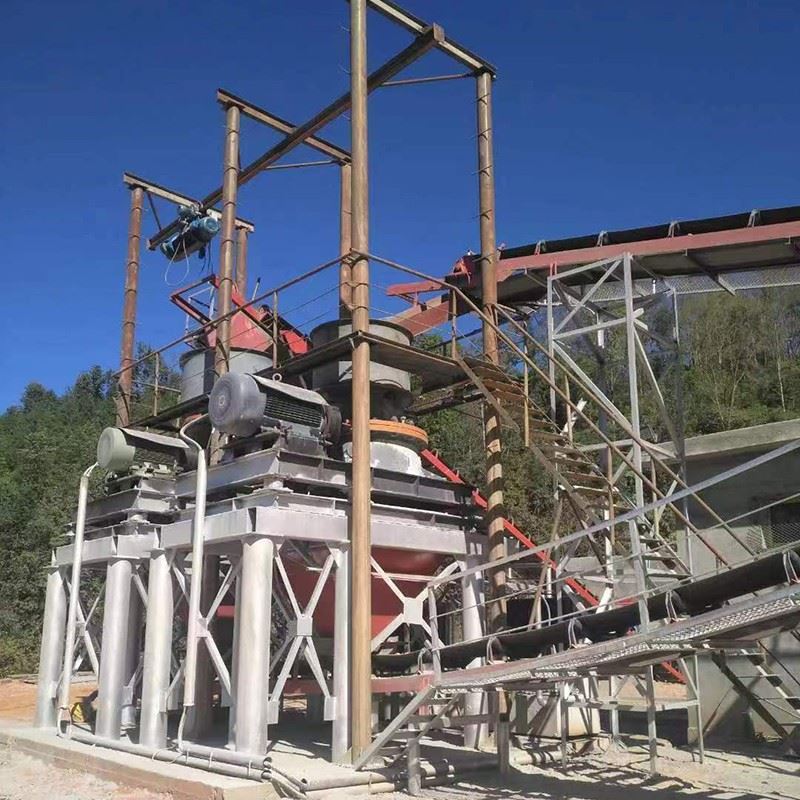

Now, let's take a closer look at the specific aspects of the output quality of sand washed by a small sand washing machine.
Particle Size and Shape
One of the primary indicators of sand quality is the particle size and shape. A good sand washing machine should be able to produce sand with a consistent particle size distribution. This is important because different applications require sand with specific particle sizes. For example, in construction, sand with a uniform particle size is preferred for better workability and strength of concrete.
The shape of the sand particles also matters. Rounded sand particles are generally more desirable as they provide better flowability and workability. A well-designed sand washing machine can help to round the edges of the sand particles during the washing process, improving their overall quality.
Purity
The purity of the washed sand is another crucial aspect. A high-quality sand washing machine should be able to remove a significant amount of impurities, such as clay, silt, and organic matter. The purity of the sand can be measured by the amount of these impurities remaining after washing. In most cases, the lower the impurity content, the higher the quality of the sand.
Moisture Content
The moisture content of the washed sand is also an important consideration. Excessive moisture can cause problems in some applications, such as in concrete production, where it can affect the setting time and strength of the concrete. A good sand washing machine should be able to control the moisture content of the sand to an acceptable level.
Color and Appearance
The color and appearance of the sand can also be an indicator of its quality. Clean, washed sand typically has a uniform color and a clean, bright appearance. Any discoloration or presence of foreign particles can indicate poor quality.
So, how can you ensure that you're getting the best output quality from your small sand washing machine? Here are a few tips:
- Choose the right machine: Make sure you select a small sand washing machine that is suitable for your specific needs. Consider factors such as the type and volume of sand you need to wash, as well as the desired output quality.
- Maintain the machine properly: Regular maintenance is essential for ensuring the optimal performance of your sand washing machine. This includes cleaning the machine regularly, checking and replacing worn parts, and lubricating the moving components.
- Use the right water: As mentioned earlier, using clean water is crucial for effective sand washing. Make sure you have a reliable source of clean water or consider treating the water before using it in the machine.
- Monitor the output: Regularly check the quality of the washed sand to ensure that it meets your requirements. You can do this by conducting simple tests, such as sieve analysis to determine the particle size distribution, and visual inspection to check for impurities.
If you're in the market for a small sand washing machine, I encourage you to check out our range of Mineral Processing Equipment. We also offer Shajin Beneficiation Equipment and Automatic Sand Sieving Machine to meet all your sand processing needs.
If you have any questions or would like to discuss your specific requirements, feel free to reach out to us. We're here to help you get the best output quality from your sand washing machine.
References
- Smith, J. (2020). Sand Washing Technology: Principles and Applications. Elsevier.
- Jones, R. (2019). Quality Control in Sand Washing Processes. Journal of Construction Materials, 35(2), 123-135.


