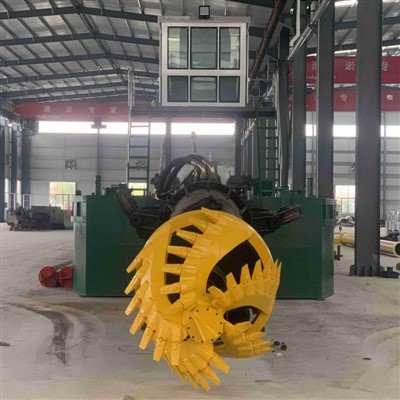
As a supplier of diesel engines for dredgers, I've seen firsthand how sediment can really mess with these powerful machines. Dredgers are out there in the water, scooping up all kinds of muck and sediment, and that sediment can have a huge impact on the diesel engine that powers them. Let's dig into what exactly happens when sediment gets involved.
1. Wear and Tear on Engine Components
Sediment is like tiny little pieces of sandpaper for the engine. When it gets into the engine, it can cause a lot of wear and tear on the moving parts. The pistons, cylinders, and bearings are especially at risk. The sediment particles can scratch and abrade these components, leading to increased friction and heat. Over time, this can cause the parts to wear out faster than they should, which means more frequent maintenance and replacement.
For example, the pistons in a diesel engine move up and down inside the cylinders. If sediment gets into the cylinders, it can get between the piston and the cylinder wall, causing a grinding action. This not only wears down the piston rings but also the cylinder walls themselves. As the piston rings wear, they can lose their ability to seal properly, which can lead to a loss of compression and a decrease in engine performance.
The bearings in the engine are also vulnerable. These bearings support the rotating shafts and help reduce friction. Sediment can get into the bearings and cause them to wear prematurely. This can lead to increased play in the shafts, which can affect the engine's balance and smooth operation. If the bearings fail completely, it can cause serious damage to the engine and require a major overhaul.
2. Clogging of Filters and Fuel System
Another big problem with sediment is that it can clog the engine's filters and fuel system. The air filter is designed to keep dirt and debris out of the engine. But if there's a lot of sediment in the air, the filter can quickly become clogged. When the air filter is clogged, it restricts the flow of air into the engine, which can reduce the engine's power and efficiency.
The fuel filter is also important. It's supposed to remove any impurities from the fuel before it reaches the engine. But sediment can build up in the fuel filter, causing it to become clogged. When this happens, the fuel flow to the engine can be restricted, which can lead to poor performance, rough idling, and even engine stalling.
In addition to the filters, sediment can also cause problems in the fuel injectors. The fuel injectors are responsible for spraying the fuel into the engine's cylinders. If sediment gets into the injectors, it can block the nozzles, preventing the fuel from being sprayed properly. This can lead to uneven combustion, reduced power, and increased fuel consumption.
3. Corrosion and Rust
Sediment often contains moisture and other corrosive substances. When this sediment comes into contact with the engine's metal components, it can cause corrosion and rust. Corrosion can weaken the metal, making it more likely to break or fail. Rust can also cause the components to seize up, which can prevent the engine from running properly.
For example, the engine's cooling system is particularly vulnerable to corrosion. The coolant in the cooling system is designed to keep the engine from overheating. But if sediment gets into the cooling system, it can react with the coolant and cause corrosion. This can lead to leaks in the radiator, hoses, and other components, which can cause the engine to overheat.
The engine's exhaust system is also at risk. Sediment can accumulate in the exhaust pipes, causing them to corrode. This can lead to leaks in the exhaust system, which can not only be a safety hazard but also reduce the engine's performance.
4. Impact on Lubrication
The lubrication system in a diesel engine is crucial for keeping the moving parts running smoothly. The oil in the engine lubricates the pistons, cylinders, bearings, and other components, reducing friction and wear. But sediment can contaminate the oil, reducing its effectiveness.
When sediment gets into the oil, it can cause the oil to thicken and lose its ability to flow properly. This can lead to poor lubrication, which can increase friction and wear on the engine components. In addition, the sediment can also cause the oil filter to clog, which can further reduce the flow of oil to the engine.


To prevent these problems, it's important to regularly change the oil and oil filter in the engine. This will help remove any sediment that has accumulated in the oil and ensure that the engine is properly lubricated.
5. Reduced Engine Performance and Efficiency
All of these problems caused by sediment can have a significant impact on the engine's performance and efficiency. When the engine is worn, clogged, corroded, or poorly lubricated, it has to work harder to produce the same amount of power. This means that it uses more fuel and produces more emissions.
In addition, the engine may not be able to operate at its optimal speed and power, which can reduce the dredger's productivity. For example, if the engine is not running smoothly, it may not be able to drive the Dredge Pump at the proper speed, which can affect the dredging operation.
6. Maintenance and Prevention
To minimize the impact of sediment on a diesel engine for a dredger, it's important to take proper maintenance and prevention measures. Here are some tips:
- Regular Inspections: Regularly inspect the engine for signs of wear, corrosion, and clogging. This can help you catch problems early and prevent them from becoming more serious.
- Filter Replacement: Replace the air filter, fuel filter, and oil filter regularly. This will help keep the engine clean and prevent sediment from getting into the engine.
- Fuel Quality: Use high-quality fuel that is free of sediment and other impurities. This will help prevent clogging of the fuel system and reduce the risk of corrosion.
- Lubrication: Use the correct type and grade of oil for the engine. Make sure to change the oil and oil filter at the recommended intervals.
- Cleaning: Keep the engine and its components clean. This can help prevent sediment from accumulating and reduce the risk of corrosion.
Conclusion
As you can see, sediment can have a significant impact on a diesel engine for a dredger. It can cause wear and tear on the engine components, clog the filters and fuel system, cause corrosion and rust, and reduce the engine's performance and efficiency. But by taking proper maintenance and prevention measures, you can minimize the impact of sediment and keep your engine running smoothly.
If you're in the market for a diesel engine for your dredger, or if you have any questions about how sediment can affect your engine, don't hesitate to [contact us](insert appropriate way to contact without made - up info). We're here to help you find the right engine for your needs and provide you with the support and advice you need to keep it running at its best.
References
- Diesel Engine Handbook, various authors
- Marine Engineering Manuals
- Technical papers on dredger operations and engine performance