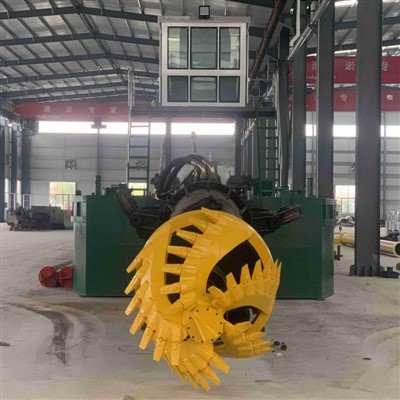
As a seasoned supplier of Mineral Processing Equipment, I've witnessed firsthand the pivotal role that understanding operation costs plays in the success of mining and mineral - processing ventures. In this blog, I'll delve into the complex web of factors that contribute to the operation cost of mineral processing equipment, offering insights that can help you make informed decisions when it comes to procurement and operation.
Initial Purchase Cost
The first and most obvious cost component is the initial purchase price of the equipment. This varies significantly depending on the type, capacity, and complexity of the machinery. For example, a high - capacity crushing plant will cost more than a simple Small Sand Washing Machine. When choosing the right equipment, it's essential to balance your budget with long - term needs. A cheaper machine might save you money upfront but lead to higher operational costs or lower productivity in the long run. We offer a range of Mineral Processing Equipment tailored to different budgets and requirements, ensuring that you get the best value for your investment.
Energy Consumption
Energy is a major operational expense in mineral processing. Different types of equipment have different energy requirements. Grinding mills, for instance, are power - hungry machines that consume a large portion of the overall energy in a processing plant. To reduce energy costs, it's crucial to select energy - efficient equipment. Modern technologies, such as variable frequency drives and high - efficiency motors, can significantly lower energy consumption without sacrificing performance. Our Shajin Beneficiation Equipment is designed with energy efficiency in mind, incorporating the latest technological advancements to help you save on energy bills.


Maintenance and Repair
Regular maintenance is essential for keeping mineral processing equipment in optimal condition. This includes tasks such as lubrication, inspection, and replacement of worn - out parts. The cost of maintenance can vary depending on the complexity of the equipment and the frequency of use. A poorly maintained machine is more likely to break down, leading to costly repairs and production downtime. We provide comprehensive maintenance services and high - quality spare parts to ensure the smooth operation of your equipment. Our team of experienced technicians can offer on - site support and preventive maintenance plans to minimize unexpected breakdowns and reduce long - term maintenance costs.
Labor Costs
Skilled labor is required to operate and manage mineral processing equipment. Workers need to be trained in equipment operation, safety procedures, and troubleshooting. Labor costs can be a significant portion of the overall operation cost, especially in regions with high wage rates. To optimize labor costs, it's important to invest in training programs to improve worker efficiency. Additionally, automation technologies can be used to reduce the need for manual labor in certain processes. Our equipment is designed with user - friendly interfaces and can be integrated with automation systems, allowing you to streamline operations and reduce labor requirements.
Consumables and Chemicals
In mineral processing, consumables such as grinding media, filters, and chemicals are necessary for the extraction and purification of minerals. The cost of these items can add up over time, especially for large - scale operations. The quality and quantity of consumables used can also impact the efficiency of the process. For example, using high - quality grinding media can improve the grinding efficiency and reduce the wear on the mill. We offer a range of high - quality consumables and chemicals that are specifically designed for our mineral processing equipment. Our experts can provide guidance on the optimal use of these products to help you reduce costs and improve process performance.
Water Usage
Water is a vital resource in mineral processing, used for various purposes such as ore washing, pulp transportation, and dust suppression. The cost of water, including acquisition, treatment, and disposal, can be substantial. To reduce water costs, it's important to implement water - conservation measures such as recycling and reuse systems. Our equipment can be designed to work with water - efficient processes, helping you minimize water consumption and associated costs.
Environmental Compliance
Mining and mineral processing operations are subject to strict environmental regulations. Compliance with these regulations can incur significant costs, including pollution control measures, waste management, and environmental monitoring. Failure to comply can result in fines and legal issues. Our equipment is designed to meet or exceed environmental standards, helping you avoid potential compliance costs. We can also provide support and advice on environmental management to ensure that your operations are sustainable and compliant.
Transportation and Logistics
Transporting mineral processing equipment to the site and moving raw materials and finished products in and out of the plant can add to the operation cost. Factors such as distance, mode of transportation, and infrastructure quality can affect transportation costs. When selecting equipment, it's important to consider its transportability and the logistics requirements of your operation. We have a global network of partners that can assist with the transportation and installation of our equipment, ensuring a smooth and cost - effective process.
Depreciation and Financing
The value of mineral processing equipment depreciates over time. Understanding the depreciation rate is important for financial planning. Additionally, if you finance the purchase of the equipment, interest payments and loan fees will contribute to the overall cost. We can work with you to develop financing options that suit your financial situation, helping you manage the cost of equipment acquisition and depreciation.
In conclusion, the operation cost of mineral processing equipment is a multi - faceted concept that encompasses many factors. By carefully considering each of these elements, you can make more informed decisions when purchasing and operating equipment. As a leading supplier of Mineral Processing Equipment, we are committed to providing you with high - quality products and comprehensive support to help you minimize operation costs and maximize your return on investment.
If you're interested in learning more about our mineral processing equipment or discussing how we can help you optimize your operation costs, we encourage you to reach out to us. Our team of experts is ready to assist you with your procurement needs and provide customized solutions for your specific requirements. Contact us today to start a productive conversation about your mineral processing project.
References
- Perry, R. H., & Green, D. W. (Eds.). (2008). Perry's Chemical Engineers' Handbook. McGraw - Hill.
- Wills, B. A., & Napier - Munn, T. J. (2006). Wills' Mineral Processing Technology: An Introduction to the Practical Aspects of Ore Treatment and Mineral Recovery. Butterworth - Heinemann.