


Hey there! As a supplier of excavator platforms, I often get asked about the various components that make these machines tick. One crucial part that doesn't always get the spotlight it deserves is the radiator. So, let's dive into what the role of the radiator is in an excavator platform.
Keeping Things Cool: The Basic Function
At its core, the radiator's main job is to cool down the engine. Excavators are some serious workhorses. They're constantly digging, lifting, and moving heavy loads, which means the engine is under a ton of stress. When the engine runs, it generates a whole lot of heat. If this heat isn't managed properly, it can cause all sorts of problems, like engine overheating, which can lead to breakdowns and costly repairs.
The radiator works by using a coolant, usually a mixture of water and antifreeze. This coolant circulates through the engine, absorbing the heat. Then, it flows into the radiator. Inside the radiator, there are a bunch of small tubes and fins. As the hot coolant passes through these tubes, air flows over the fins, which helps to transfer the heat from the coolant to the air. This cools down the coolant, and then it's sent back to the engine to absorb more heat. It's a continuous cycle that keeps the engine at a safe operating temperature.
Why It's So Important for Excavators
Excavators operate in all kinds of tough environments. Whether it's a hot and dusty construction site or a cold and wet mining area, the radiator has to work hard to keep the engine cool. In hot weather, the outside air is already warm, which makes it harder for the radiator to transfer heat. That's why a well - functioning radiator is crucial. If it can't cool the engine effectively, the engine might overheat, and that can lead to a loss of power, reduced efficiency, and even permanent damage.
On the other hand, in cold weather, the radiator still plays a vital role. The antifreeze in the coolant prevents the water from freezing, which could damage the radiator and the engine. It also helps to warm up the engine quickly, so it can reach its optimal operating temperature faster.
Impact on Performance
A properly functioning radiator has a direct impact on the performance of the excavator. When the engine is at the right temperature, it can operate at its best. It can generate more power, which means the excavator can dig deeper, lift heavier loads, and work more efficiently. This translates to more productivity on the job site.
If the radiator isn't working well, the engine might start to lose power. You might notice that the excavator is slower to respond, has trouble lifting heavy objects, or just doesn't seem to be performing as it should. This can lead to delays in construction projects, increased fuel consumption, and higher operating costs.
Maintenance and Care
To ensure that the radiator does its job effectively, regular maintenance is a must. One of the most important things is to keep the radiator clean. Dust, dirt, and debris can build up on the fins, which reduces the airflow and makes it harder for the radiator to transfer heat. You can use a pressure washer or compressed air to clean the radiator, but be careful not to damage the fins.
It's also important to check the coolant level regularly. If the coolant is low, it won't be able to absorb as much heat, which can lead to overheating. You should also check the coolant for signs of contamination, like rust or oil. If the coolant is contaminated, it needs to be replaced.
Another thing to look out for is leaks. A leak in the radiator can cause the coolant level to drop, which can lead to overheating. If you notice any signs of coolant leakage, like puddles under the excavator or a sweet smell coming from the engine, you should have the radiator checked and repaired as soon as possible.
Related Platforms and Their Cooling Needs
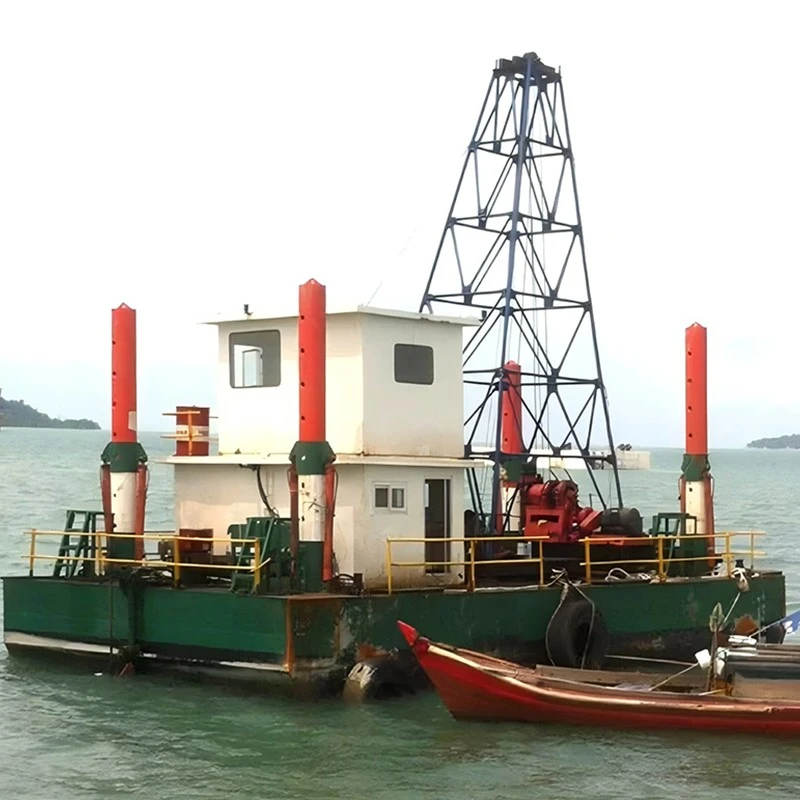
As an excavator platform supplier, we also deal with other types of platforms, like Lifting Platform, Water Intake Platform, and Jack Up Platforms. Each of these platforms has its own unique cooling requirements.
Lifting platforms often have hydraulic systems that generate a lot of heat. Just like the engine in an excavator, these hydraulic systems need to be cooled to prevent overheating. A radiator or a similar cooling system is used to keep the hydraulic fluid at a safe temperature, ensuring smooth operation and preventing damage to the hydraulic components.
Water intake platforms are used in water - related applications. They might have pumps and other equipment that generate heat. Cooling these components is essential to maintain their efficiency and prevent breakdowns. A well - designed cooling system, which could involve a radiator or a water - based cooling system, is crucial for the proper functioning of these platforms.
Jack up platforms are used in offshore and other heavy - duty applications. They have large engines and complex machinery that generate a significant amount of heat. The radiator in these platforms needs to be robust and efficient to handle the high heat loads. Regular maintenance and monitoring of the cooling system are even more critical in these harsh environments.

Conclusion
So, as you can see, the radiator plays a vital role in an excavator platform. It's not just a simple part; it's a key component that keeps the engine running smoothly, ensures optimal performance, and extends the lifespan of the machine. Whether you're using an excavator on a construction site or one of our other platforms in a specialized application, taking care of the radiator is essential.
If you're in the market for an excavator platform or any of our other platforms, and you have questions about the cooling systems or need advice on maintenance, don't hesitate to reach out. We're here to help you make the best choice for your needs and ensure that your equipment runs at its best. Let's start a conversation about how we can meet your requirements and keep your operations running smoothly.
References
- Smith, J. (2020). Heavy Equipment Cooling Systems. Construction Machinery Journal.
- Brown, A. (2019). Maintenance Guide for Excavator Components. Industrial Equipment Magazine.


