


As a seasoned provider of Marine Dredgers, I've witnessed firsthand the intricate dance of a well - orchestrated dredging operation. A Marine Dredger is a complex piece of machinery that requires a diverse and skilled crew to function effectively. In this blog, I'll delve into the types of crew members needed to operate a Marine Dredger, highlighting their roles and the importance of each position.
Captain
The captain is the heart and soul of the Marine Dredger operation. They are responsible for the overall management and safety of the vessel. The captain must have a deep understanding of maritime laws, navigation, and weather conditions. They plan the dredging route, taking into account factors such as water depth, tides, and potential hazards.
Before the dredging operation begins, the captain conducts a thorough risk assessment. They ensure that all safety equipment is in place and that the crew is well - trained in emergency procedures. During the operation, the captain monitors the vessel's position, speed, and course, making real - time decisions to optimize the dredging process. Their leadership is crucial in maintaining the efficiency and safety of the entire operation.
Chief Engineer
The chief engineer is in charge of the dredger's mechanical and electrical systems. They oversee the maintenance and repair of the engines, pumps, and other equipment on board. A chief engineer must have a strong background in engineering, with a focus on marine machinery.
They are responsible for ensuring that the dredger's engines are running smoothly and efficiently. This includes regular inspections, oil changes, and troubleshooting any mechanical issues that may arise. The chief engineer also manages the dredger's electrical systems, ensuring that all lights, communication devices, and control panels are functioning properly. In case of a breakdown, the chief engineer leads the repair team to get the equipment back up and running as quickly as possible.
Dredge Operator
The dredge operator is the person who directly controls the dredging equipment. They are responsible for operating the cutter head, suction pipes, and other dredging components. A skilled dredge operator can significantly improve the efficiency of the dredging process.
The dredge operator must have a good understanding of the dredging process and the equipment they are using. They need to be able to adjust the cutter head's speed and depth based on the type of sediment being dredged. They also monitor the suction flow and the amount of material being pumped, ensuring that the dredging operation is proceeding as planned. For example, when dredging in a gold - rich area, a dredge operator can use specialized techniques to maximize the recovery of gold. You can learn more about gold dredging with our Gold Dredger.
Deckhand
Deckhands play a vital role in the day - to - day operations of the Marine Dredger. They assist the captain and other crew members with various tasks, such as mooring the vessel, handling ropes, and maintaining the deck. Deckhands are also responsible for keeping the dredger clean and organized.
They help with the loading and unloading of equipment and supplies. During the dredging operation, deckhands may be required to assist the dredge operator by adjusting the suction pipes or moving the cutter head. Their physical strength and willingness to work hard are essential for the smooth running of the operation.
Navigator
The navigator is responsible for plotting the vessel's course and ensuring that it stays on track. They use a variety of navigation tools, such as GPS, charts, and compasses, to determine the vessel's position and direction. The navigator must be able to read and interpret nautical charts accurately.
They work closely with the captain to plan the dredging route, taking into account factors such as water depth, underwater obstacles, and traffic. During the operation, the navigator continuously monitors the vessel's position and makes adjustments as needed. Their expertise is crucial in ensuring the safety and efficiency of the dredging operation.
Maintenance Technician
Maintenance technicians are responsible for the upkeep and repair of all the equipment on board the Marine Dredger. They perform regular inspections, preventive maintenance, and emergency repairs. A maintenance technician must have a wide range of skills, including mechanical, electrical, and hydraulic knowledge.
They are trained to diagnose and fix problems with the dredger's engines, pumps, and other equipment. They also ensure that all safety systems are functioning properly. For example, if there is a problem with the cutter head's hydraulic system, the maintenance technician will be called in to repair it. Their work is essential in preventing breakdowns and ensuring the long - term reliability of the dredger.
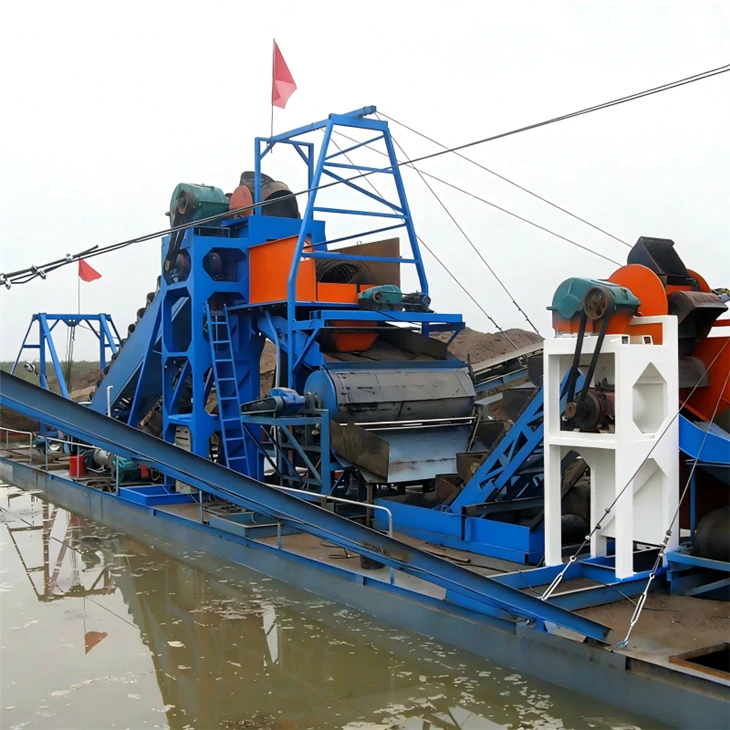

Environmental Specialist
In today's world, environmental concerns are a top priority in dredging operations. An environmental specialist is responsible for ensuring that the dredging operation complies with all environmental regulations. They monitor the impact of the dredging on the surrounding ecosystem, including water quality, sedimentation, and the health of marine life.
The environmental specialist conducts regular environmental assessments before, during, and after the dredging operation. They develop and implement environmental management plans to minimize the negative impact of the dredging. For example, they may recommend the use of sediment control measures to prevent the spread of sediment into the surrounding water. Their expertise is crucial in ensuring that the dredging operation is sustainable and environmentally friendly.
Communication Officer
The communication officer is responsible for maintaining communication between the Marine Dredger and other vessels, shore - based facilities, and regulatory authorities. They use a variety of communication devices, such as radios, satellite phones, and email, to transmit and receive information.
The communication officer ensures that all crew members are aware of any important messages or instructions. They also coordinate with other vessels in the area to avoid collisions and ensure safe navigation. During an emergency, the communication officer plays a crucial role in calling for help and providing information to the relevant authorities.
Catering Staff
Catering staff are responsible for providing meals and snacks for the crew on board the Marine Dredger. They prepare a variety of nutritious and delicious meals to keep the crew energized and satisfied. A well - fed crew is more productive and less likely to make mistakes.
The catering staff must be able to work in a small and confined kitchen on board the vessel. They need to plan and prepare meals based on the crew's dietary preferences and requirements. They also ensure that the kitchen is clean and hygienic at all times.
In conclusion, operating a Marine Dredger requires a diverse and skilled crew. Each crew member plays a crucial role in the success of the dredging operation. From the captain who leads the way to the catering staff who keep the crew well - fed, every position is essential. If you're interested in purchasing a Marine Dredger, we offer a wide range of options, including the 18inch Cutter Suction Dredger and our Marine Dredger. We encourage you to reach out to us for more information and to discuss your specific needs. We're here to help you find the perfect dredger for your project.
References
- "Marine Dredging Handbook" by Jan van der Werff and Paul van Gent.
- "Principles of Dredging" by W. H. van de Ven.
- Various industry reports and technical papers on marine dredging operations.


