Hey there! I'm a supplier of gold dredgers, and today I wanna talk about how to use a gold dredger in areas with different water densities. It's a topic that's super important for anyone looking to get into gold dredging because water density can have a huge impact on how your dredger performs.
First off, let's talk about what water density is. Water density is basically how much mass is in a given volume of water. It can vary depending on a few factors, like the temperature of the water, the amount of salt or other minerals dissolved in it, and even the altitude of the area. In general, saltwater is denser than freshwater because of the salt dissolved in it. And colder water is usually denser than warmer water.
So, why does water density matter when you're using a gold dredger? Well, the density of the water affects how the dredger moves through it and how it picks up the gold-bearing material. In denser water, the dredger has to work a bit harder to move through it, and the suction power might need to be adjusted to make sure it's picking up the right amount of material.
Let's start with using a gold dredger in freshwater areas. Freshwater has a relatively lower density compared to saltwater. When you're using your dredger in a freshwater stream or river, you'll find that it's generally easier to move the dredger around. The suction power doesn't need to be as strong as it would be in saltwater because the water is less dense.
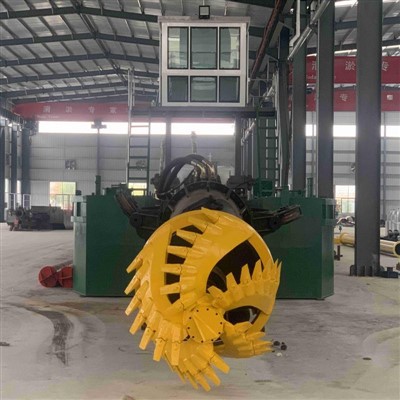
For example, if you're using a 14inch Cutter Suction Dredger in a freshwater river, you can set the suction at a moderate level. The cutter head will easily break up the sediment on the riverbed, and the less dense water will allow the material to flow more easily into the dredger. You might need to adjust the speed of the cutter head based on the type of sediment you're dealing with. If it's a softer sediment, you can run the cutter head at a slower speed. But if it's a harder sediment, you'll need to increase the speed to break it up effectively.
Now, let's move on to saltwater areas. Saltwater has a higher density, which means the dredger has to work harder to move through it. When using a gold dredger in saltwater, like in an ocean or a saltwater bay, you'll need to increase the suction power. A 18inch Cutter Suction Dredger can be a great choice for saltwater dredging because it has a larger capacity and can handle the denser water better.
The higher density of saltwater also affects the way the gold-bearing material settles. Gold is a heavy metal, and in saltwater, it might settle a bit differently compared to freshwater. You'll need to pay close attention to the separation process to make sure you're getting all the gold out. Sometimes, you might need to adjust the settings of your dredger's sluice box to optimize the separation of gold from the other sediment.
Another factor to consider is the temperature of the water. Cold water is denser than warm water. If you're dredging in a cold mountain stream, for example, the water density will be higher than in a warm tropical river. This means you'll need to adjust your dredger's settings accordingly. A Electric Dredger can be a good option in colder waters because it provides consistent power and can be easily adjusted.
When the water is cold, the sediment might be more compacted, so you'll need to use a more powerful cutter head to break it up. You might also need to increase the suction power to ensure that the material is being picked up properly. On the other hand, in warm water, the sediment is usually looser, and you can get away with a lower suction power.
It's also important to note that different types of gold dredgers perform differently in areas with different water densities. Some dredgers are designed specifically for freshwater, while others are better suited for saltwater. As a supplier, I can help you choose the right dredger for your specific needs based on the water density of the area you'll be dredging in.
Now, let's talk about some tips for using a gold dredger in areas with different water densities. First, always do your research on the area you're going to dredge in. Find out the average water density, temperature, and the type of sediment you'll be dealing with. This will help you make the right adjustments to your dredger before you start.
Second, start with a lower suction power and gradually increase it as needed. This will help you avoid overloading the dredger and ensure that you're getting the most efficient operation.


Third, pay close attention to the separation process. Make sure that the gold is being separated from the other sediment effectively. You might need to adjust the sluice box or other components of the dredger to optimize the separation.
If you're new to gold dredging or if you're not sure how to adjust your dredger for different water densities, don't hesitate to reach out. As a supplier, I have a lot of experience in this field, and I can provide you with all the support and advice you need.
Whether you're looking for a 14inch Cutter Suction Dredger, an Electric Dredger, or an 18inch Cutter Suction Dredger, I can help you find the perfect dredger for your needs. If you're interested in purchasing a gold dredger or have any questions about using one in different water densities, feel free to contact me. I'm here to help you make the most of your gold dredging experience.
References:
- General knowledge of gold dredging and water density from industry experience.
- Technical specifications of gold dredgers provided by manufacturers.