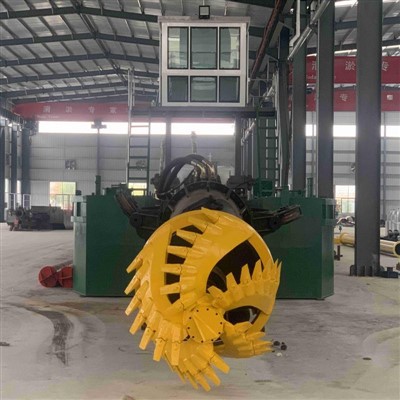
What are the access systems for Jack Up Platforms?
As a well - established supplier of Jack Up Platforms, I am often asked about the various access systems associated with these remarkable structures. Jack Up Platforms are widely used in offshore oil and gas exploration, wind farm installation, and other marine - based activities. Their access systems are crucial for ensuring the safety and efficiency of personnel and equipment movement on and off the platform. In this blog, I will delve into the different types of access systems available for Jack Up Platforms.
Gangways
Gangways are one of the most common access systems for Jack Up Platforms. They provide a stable bridge between the platform and a supply vessel or another nearby structure. These gangways are designed to handle various sea conditions and movements. Some gangways are equipped with active heave compensation systems, which adjust the position of the gangway in real - time to counteract the motion of the vessel or the platform caused by waves, wind, and tides.
A well - designed gangway offers a safe passage for workers carrying tools and equipment. It typically has non - slip surfaces and safety handrails on both sides. The length of the gangway can vary depending on the spacing requirements between the platform and the adjacent vessel. For example, in some large - scale offshore operations, gangways can extend up to several dozen meters. You can find more information about the capabilities of modern gangways on platforms by visiting the Offshore Jack - up Platform page of our website.
Cranes
Cranes play multiple roles in accessing Jack Up Platforms. They are not only used for lifting heavy equipment and materials onto the platform but can also be utilized to transfer personnel in certain situations. Personnel baskets, specially designed for crane - based transfers, allow workers to be safely lifted and moved between the platform and the vessel or other locations.
There are different types of cranes used in Jack Up Platform operations. Tower cranes offer high - reach capabilities and are suitable for lifting large components during the construction phase of the platform. Crawler cranes, on the other hand, provide greater mobility and stability on the platform deck. These cranes are often used for day - to - day material handling tasks. The use of cranes requires strict safety protocols, including proper training for operators and regular maintenance of the equipment. Our Lifting Platform section details the specifications and safety features of the cranes we supply for Jack Up Platforms.
Helicopter Landing Pads
Helicopter landing pads are essential access systems for Jack Up Platforms, especially for remote offshore locations. They enable rapid transportation of personnel, critical supplies, and emergency response teams. The design and construction of helicopter landing pads on Jack Up Platforms must comply with strict aviation standards.
The landing pad needs to be large enough to accommodate the specific type of helicopters used in the operation. It should also have proper lighting and marking for safe take - off and landing, even in low - visibility conditions. Additionally, the platform structure must be able to withstand the weight and dynamic forces exerted by the helicopter during landing and take - off. Helicopter access is particularly important for medical evacuations and for quickly bringing in specialized technicians. For more details on the design and functionality of helicopter landing pads on our platforms, refer to our Offshore Jack - up Platform page.
Submersible Access Systems
In some cases, submersible access systems are used for Jack Up Platforms. These are mainly employed for underwater inspections, maintenance, and repair work. Divers can use submersible access points on the platform to enter the water safely. The access points are usually equipped with ladders, handrails, and safety nets to prevent accidents.
Submersible access systems can also be connected to underwater habitats or workstations. These systems allow divers to work for extended periods without the need to constantly surface. They are often used in conjunction with remotely operated vehicles (ROVs) for more complex underwater operations. Our Excavator Platform section provides insights into the submersible access features available on some of our specialized platforms.
Safety Considerations for Access Systems
Regardless of the type of access system used, safety is of utmost importance. All access systems must be regularly inspected and maintained to ensure their proper functioning. Workers using these access systems should receive comprehensive training on safety procedures.
For gangways, the connection points between the platform and the gangway need to be checked for integrity. In the case of cranes, load limits must be strictly adhered to, and the hoisting mechanisms should be regularly serviced. Helicopter landing pads require regular inspections of lighting systems and surface conditions. Submersible access systems need to be tested for water - tightness and structural stability.


Integration and Compatibility
Another crucial aspect of access systems for Jack Up Platforms is their integration and compatibility. Different access systems should work together seamlessly to ensure efficient operations. For example, a crane used for lifting materials may also need to be coordinated with the gangway for the transfer of personnel.
The design of the platform itself should take into account the placement and operation of all access systems. The layout of the deck should allow for easy movement of equipment and personnel between different access points. Compatibility also extends to the communication systems used in conjunction with the access systems. Workers on the platform, on vessels, and in helicopters need to be able to communicate effectively to ensure the safety and success of operations.
Future Trends in Jack Up Platform Access Systems
The future of access systems for Jack Up Platforms is likely to be influenced by technological advancements. For example, the use of autonomous vehicles and drones for access and inspection purposes is expected to increase. Autonomous supply vessels could be used to transport materials to the platform without the need for a human - crewed vessel, reducing costs and improving safety.
Drones can be used for pre - inspection of the platform and access systems, providing real - time data on the condition of the structures. Additionally, advancements in materials science may lead to the development of lighter and stronger access systems. Composite materials could be used to construct gangways and cranes, reducing the overall weight of the platform and improving fuel efficiency.
Conclusion
In conclusion, the access systems for Jack Up Platforms are diverse and play a vital role in the success of offshore operations. Gangways, cranes, helicopter landing pads, and submersible access systems each have their unique functions and requirements. Safety, integration, and compatibility are key factors in the design and operation of these access systems. As technology continues to evolve, we can expect to see further improvements in the efficiency and safety of access systems for Jack Up Platforms.
If you are interested in learning more about our Jack Up Platforms and their access systems or are considering a purchase, we welcome you to reach out for a detailed discussion. Our team of experts is ready to provide you with all the necessary information and support to make the right decision for your offshore projects.
References
- API RP 2A - WSD, "Recommended Practice for Planning, Designing and Constructing Fixed Offshore Platforms - Working Stress Design," American Petroleum Institute.
- IMO Guidelines for offshore supply vessels and other service vessels operating in support of offshore exploration and production activities.
- ISO standards related to marine structures and access equipment.