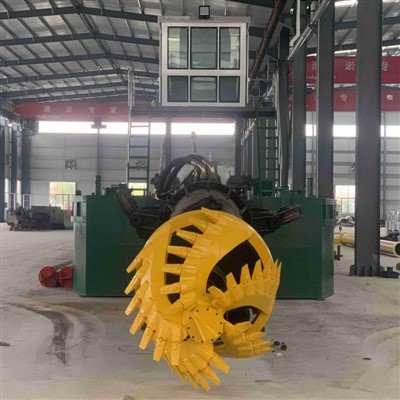
Hey there! As a supplier of Dredger Discharge Pipes, I often get asked about the permeability of these pipes. It's a crucial aspect, especially for those in the dredging industry. So, let's dive right in and explore what the permeability of a dredger discharge pipe really means.
Understanding Permeability
First off, permeability in the context of a dredger discharge pipe refers to the ability of the pipe to allow fluids or particles to pass through its walls. In simpler terms, it's about how easily water, sediment, or other materials can seep through the pipe. This might seem like a small detail, but it can have a big impact on the overall performance of a dredging operation.
For example, if a dredger discharge pipe has high permeability, it means that some of the water and sediment might leak out through the pipe walls. This can lead to a loss of efficiency in the dredging process. On the other hand, a pipe with low permeability is better at containing the materials being transported, which helps in maintaining a consistent flow and reducing waste.
Factors Affecting Permeability
There are several factors that can influence the permeability of a dredger discharge pipe. One of the main factors is the material of the pipe. Different materials have different levels of porosity, which directly affects how easily substances can pass through.
For instance, a pipe made of a porous material like certain types of plastic might have higher permeability compared to a pipe made of a more solid material like steel. Steel pipes are generally less permeable because they have a denser structure that doesn't allow fluids and particles to pass through as easily.
Another factor is the thickness of the pipe wall. A thicker wall generally means lower permeability. This is because there's more material for the substances to pass through, which creates more resistance. So, when choosing a dredger discharge pipe, the thickness of the wall is an important consideration.
The pressure inside the pipe also plays a role. Higher pressure can force fluids and particles through the pipe walls more easily, increasing the permeability. This is something to keep in mind when operating a dredger, as the pressure needs to be carefully controlled to prevent excessive leakage.
Importance of Permeability in Dredging
The permeability of a dredger discharge pipe has a significant impact on the dredging process. If the pipe has too high of a permeability, it can lead to several problems. For one, it can cause a loss of valuable sediment and water, which can be costly in terms of resources. It can also lead to environmental issues, as the leaked materials can contaminate the surrounding area.
On the other hand, a pipe with low permeability ensures that the dredged materials are efficiently transported from the dredging site to the disposal area. This helps in maintaining a smooth and effective dredging operation. It also reduces the risk of environmental damage and saves on costs.
Our Dredger Discharge Pipes
As a supplier of Dredger Discharge Pipe, we understand the importance of permeability. That's why we offer a range of pipes with different levels of permeability to suit various dredging needs.


Our pipes are made from high-quality materials that are carefully selected to ensure the right balance of permeability and durability. We use advanced manufacturing techniques to produce pipes with consistent wall thickness and structure, which helps in controlling the permeability.
Whether you need a pipe with low permeability for a more efficient dredging operation or a pipe with slightly higher permeability for specific applications, we've got you covered. Our team of experts can help you choose the right pipe based on your requirements.
Related Components in Dredging
In addition to dredger discharge pipes, there are other important components in a dredging system. For example, the Diesel Engine for Dredger is a crucial part of the dredger. It provides the power needed to operate the dredging equipment and transport the materials.
The Hydraulic System Of Dredger is also essential. It helps in controlling the movement of the dredging equipment and ensuring smooth operation. These components work together with the dredger discharge pipe to make the dredging process more efficient.
Contact Us for Your Dredging Needs
If you're in the market for a dredger discharge pipe or any other dredging components, we'd love to hear from you. Our team is ready to assist you in finding the right products for your specific requirements. Whether you're a small-scale dredging operation or a large commercial project, we can provide you with high-quality solutions.
Don't hesitate to reach out and start a conversation. We're here to help you make the most of your dredging operations.
References
- Smith, J. (2020). Dredging Technology and Equipment. Industrial Press.
- Johnson, A. (2019). Principles of Dredging Operations. Wiley.